

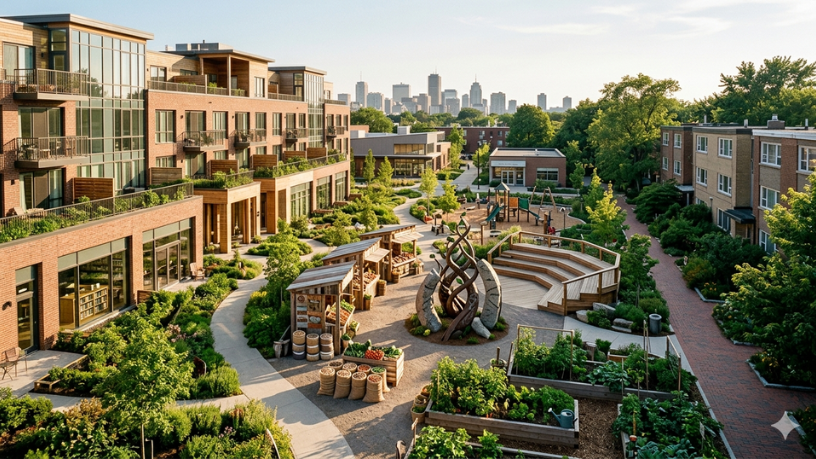
According to Eng. Valderci Malagosini Machado, Technical Director at Blocos e Lajes Itaim, the social impact of well-planned residential developments goes far beyond the delivery of housing, directly influencing quality of life, urban integration, and local development. In a context where cities are growing rapidly, efficient planning becomes essential to ensure a balance between infrastructure, well-being, and sustainability. This article explores how residential projects can generate real social value.
Throughout the content, the main factors contributing to this impact will be analyzed, from urban planning to community integration. If you want to understand how developments can transform realities and generate lasting benefits, continue reading and deepen your perspective on the topic.
What characterizes a well-planned residential development?
A well-planned residential development is one that considers not only the construction of housing units but also the context in which it is located. This includes access to services, mobility, infrastructure, and integration with the urban environment.
According to Eng. Valderci Malagosini Machado, Technical Director at Blocos e Lajes Itaim, planning should prioritize functionality, safety, and quality of life. Well-distributed spaces, appropriate common areas, and sustainable solutions are elements that make a difference in residents’ experience.
Additionally, efficient planning reduces future problems such as infrastructure overload and lack of basic services. This contributes to the appreciation of the development and to the balanced growth of the region.
How do these developments impact society?
Residential developments play a fundamental role in organizing cities and promoting social well-being. When well planned, they contribute to the creation of more structured and integrated communities.
As highlighted by Eng. Valderci Malagosini Machado, Technical Director at Blocos e Lajes Itaim, these projects directly influence aspects such as urban mobility, access to services, and social interaction. This generates positive impacts that extend beyond residents, benefiting the entire surrounding area.
Well-planned developments also stimulate local economic growth. The arrival of new residents boosts commerce, creates jobs, and attracts investments to the region.
What elements increase positive social impact?
For a residential development to generate meaningful social impact, it is necessary to incorporate elements that promote quality of life and community integration. These factors must be considered from the design phase.
Among the main elements are:
Complete infrastructure with access to essential services
Common areas that encourage social interaction
Mobility and accessibility planning
Sustainable solutions, such as efficient resource use
Integration with the urban environment and public facilities
The presence of these elements strengthens the social role of the development and contributes to building more balanced communities. By adopting these practices, projects move beyond being merely housing spaces and become agents of urban transformation.
What are the challenges in planning these projects?
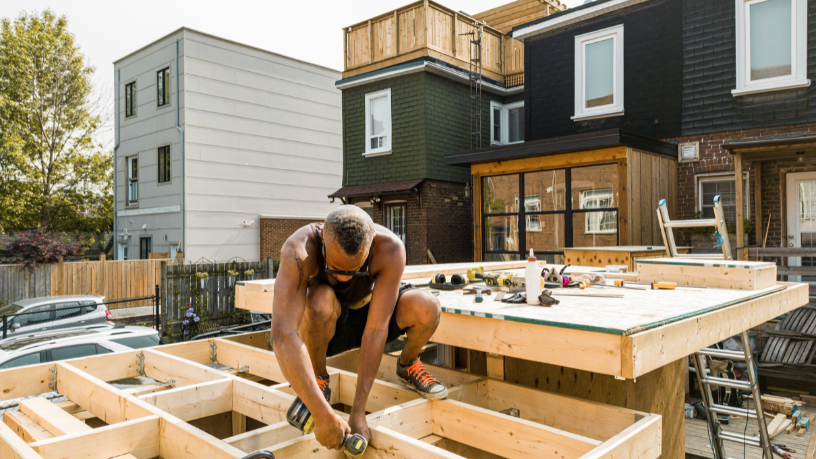
Despite the benefits, planning residential developments faces significant challenges. In the view of Eng. Valderci Malagosini Machado, Technical Director at Blocos e Lajes Itaim, one of the main challenges is balancing economic feasibility with quality and social impact.
There is often pressure to reduce costs, which can compromise important aspects of the project. This requires balance and strategic vision from developers.
Another relevant challenge is integration with urban planning policies. A lack of alignment with public policies can lead to infrastructure issues and limit the social benefits of the development.
Why should social impact be a priority?
Prioritizing social impact in residential developments is essential for building more sustainable and inclusive cities. Urban development should not be based solely on physical growth, but also on quality of life.
Projects that consider social impact tend to achieve greater market value and acceptance. This shows that social responsibility and financial return can go hand in hand.
As pointed out by Eng. Valderci Malagosini Machado, Technical Director at Blocos e Lajes Itaim, socially focused developments help reduce inequalities and improve living conditions. This is a key factor for sustainable urban development.
Paths to developing projects with lasting impact
To create developments with positive social impact, it is necessary to adopt an integrated and strategic approach. This involves detailed planning, contextual analysis, and a commitment to quality.
In this sense, the participation of qualified professionals and the use of technology are essential to ensure efficiency and innovation in projects. Data-driven decision-making also contributes to better outcomes.
Finally, maintaining a long-term perspective is crucial. Well-planned developments not only meet current needs but also adapt to future changes, consolidating their positive impact on society.
Author: Diego Rodríguez Velázquez